Why Beijing's Atecsys campus is a case study in what modern AI workloads demand from colocation
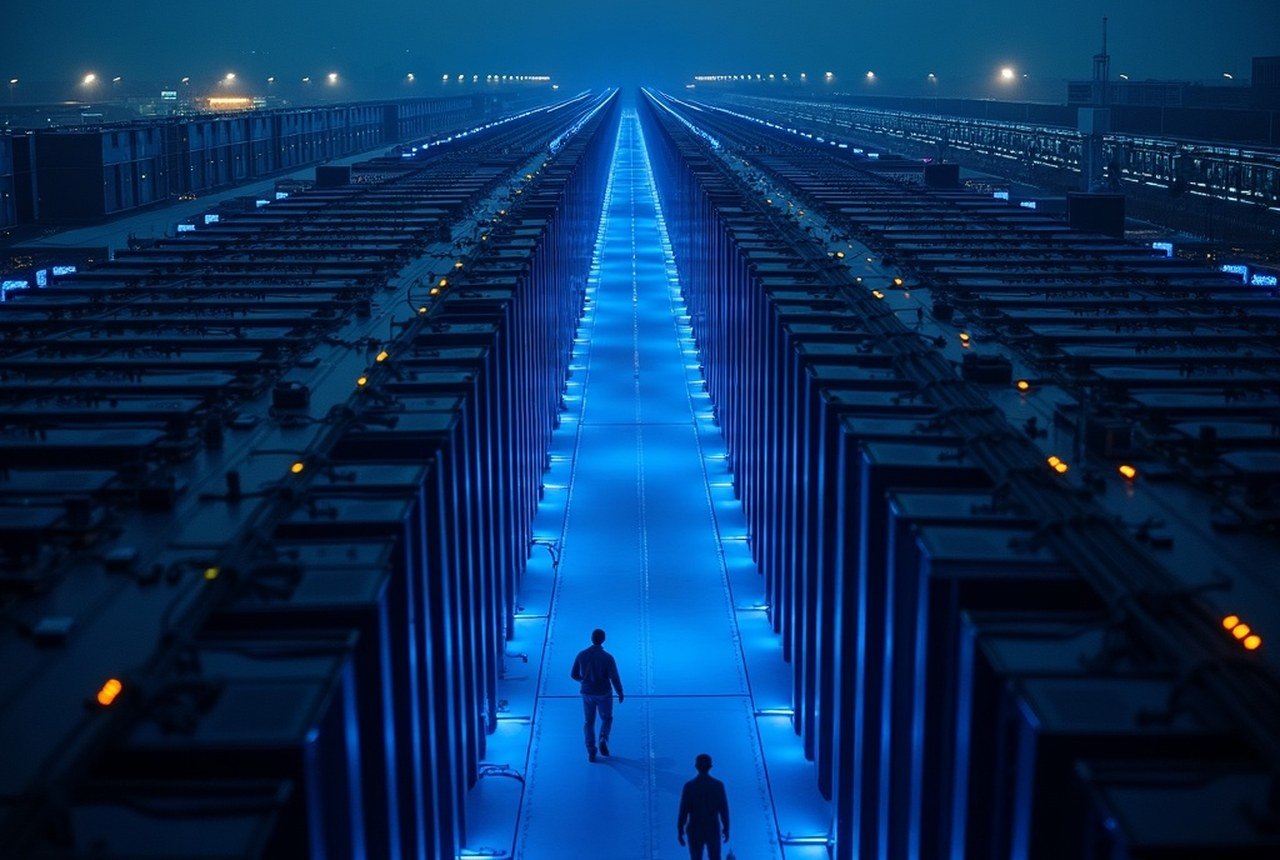
When ChinaCache International Holdings broke ground on the Atecsys Data Center in 2013, carrier neutrality was already a selling point — but the arrival of distributed AI inference has sharpened its value considerably. Sited inside Beijing's largest duty-free zone, minutes from Beijing Capital International Airport, Atecsys has grown into the city's largest carrier-neutral facility by rack count: nine data center buildings across an 80,000-square-metre campus, with more than 27,000 rack spaces in total.
What carrier-neutral actually means at scale
Carrier neutrality is a deceptively simple idea with outsized operational consequences. Atecsys connects tenants to all major Chinese internet service providers via full Border Gateway Protocol (BGP) routing — meaning traffic can be handed off to whichever carrier offers the best path at any moment, without the lock-in of a single-provider facility. For AI workloads, that matters: an inference endpoint serving users across China needs consistent, low-latency last-mile delivery, and multi-carrier BGP is the mechanism that makes it possible.
The campus holds a TIA-942 Tier III+ certification and carries National Class A status — China's highest domestic reliability classification — giving enterprise and hyperscale tenants the redundancy guarantees their SLAs require. Each of the nine data buildings accommodates more than 3,000 rack spaces, and the service mix reflects a mature colocation play: VIP isolation cages, power transformation, IP transit, international bandwidth, leased circuits, ICP licensing support, and on-site room management.
Carrier neutrality is a deceptively simple idea with outsized operational consequences.

The interconnection angle for AI
Colocation's role in AI infrastructure is often framed around training clusters — the warehouse-scale GPU farms pulling tens of megawatts in purpose-built campuses. But interconnection facilities like Atecsys occupy a complementary position: they are where trained models meet the network, where inference traffic is routed, and where multi-cloud architectures terminate. East-west traffic between GPU nodes stays inside the training cluster; north-south traffic — model outputs delivered to real users — has to traverse carrier infrastructure, and that hand-off is what a carrier-neutral point of presence optimises.
Atecsys also claims recognition as China's first eco-friendly, low-carbon-footprint data center at its scale, a distinction that carries growing weight as regulators and hyperscalers alike press colocation providers on power efficiency. The combination — scale, neutrality, certified reliability, and a green credential — positions the campus as a natural aggregation point for AI workloads that have graduated from training and need stable, well-connected homes for production inference.